Walk through any Indian bridal exhibition and one embroidery technique will catch your eye above all others — Zardosi. The glint of metallic threads, the raised three-dimensional motifs, the unmistakable weight of craftsmanship that cannot be replicated by any machine. Zardosi embroidery has adorned Indian royalty for over 500 years, and today it remains the gold standard of luxury bridal wear. But what exactly is Zardosi, and why does it command such reverence in the world of fashion?
What is Zardosi Embroidery?
The word “Zardosi” comes from two Persian words: Zar (gold) and Dosi (embroidery). It literally means “gold embroidery” — and that is precisely what it is. Zardosi is a technique where metallic threads, wires, and sometimes real gold or silver-wrapped threads are stitched onto fabric to create elaborate patterns. The result is a raised, textured surface that reflects light from every angle, creating that signature bridal shimmer that photographs so beautifully.
Unlike printed or machine embroidery, Zardosi is entirely done by hand. A single bridal lehenga with Zardosi work can take weeks of continuous work by a single artisan, with some complex pieces requiring a team of craftsmen working together.
The History of Zardosi in Indian Fashion
Zardosi embroidery arrived in India during the Mughal era, brought by Persian artisans who accompanied the Mughal courts. The technique flourished under emperors like Akbar and Shah Jahan, who commissioned elaborate Zardosi work for court garments, royal tents, and ceremonial furnishings. Jaipur, Lucknow, Hyderabad, and Bhopal became major centres of Zardosi craftsmanship.
At Fateh Fashion in Jaipur, we carry forward this heritage. Our master artisans have inherited these techniques across generations, ensuring that every stitch maintains the quality and authenticity that defined Mughal-era craftsmanship.
Types of Zardosi Work
Karchobi Zardosi
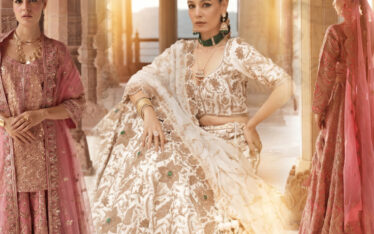
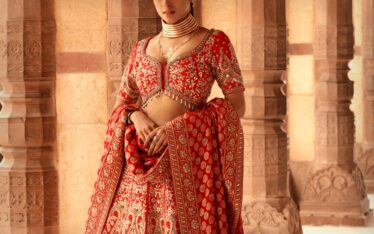
The heaviest and most elaborate form of Zardosi. Uses thick metallic threads, springs (dabka), and French knots to create dense, three-dimensional patterns. This is the technique used on our Reddish Maroon Silk Bridal Lehenga and Peach Silk Kalidar Bridal Lehenga.
Kamdani Zardosi
A lighter, flatter form of Zardosi where small metallic pieces and flat wire are stitched to create delicate patterns. Often combined with sequins and beads for a subtle sparkle effect.
Zardosi with Cutdana and Resham
The most popular modern bridal combination. Zardosi metalwork is complemented by Cutdana (crystal/metallic pieces) for sparkle and Resham (silk thread) for colour depth. Our Dark Pink Organza Bridal Lehenga beautifully demonstrates this multi-technique approach.
Zardosi vs Other Indian Embroidery Techniques
Zardosi vs Gota Patti
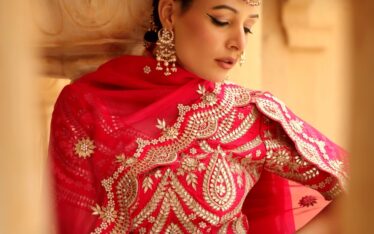
While Zardosi uses metallic threads stitched into patterns, Gota Patti uses pre-made metallic ribbon cut into shapes (flowers, leaves, triangles) and appliqued onto fabric. Both are Rajasthani traditions, and they are often combined on the same garment. Our Magenta Rani Lehenga features both Gota Patti and Zardosi work together.
Zardosi vs Tamba Gota
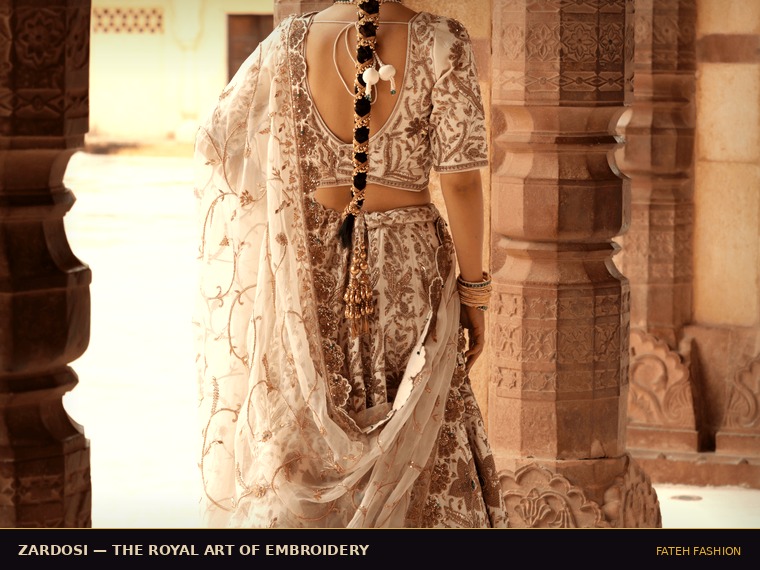
Tamba Gota is a variation of Gota work that uses copper-toned (tamba) metallic ribbon instead of gold. It creates a warm, antique aesthetic that pairs beautifully with off-white and peach fabrics. See our Off White Tissue Lehenga with Copper Gota for this distinctive look.
Zardosi vs Chikankari
Chikankari is white-on-white thread embroidery from Lucknow, creating delicate floral patterns. When combined with Zardosi, the contrast between the subtle Chikankari and bold metalwork creates a stunning fusion. Our Aqua Georgette Umbrella Lehenga pairs a Chikankari choli with Tamba Gota lehenga for this cross-cultural effect.
How to Care for Zardosi Embroidered Garments
- Storage: Always store flat or hang with padded hangers. Never fold Zardosi work — it can crack the metallic threads.
- Cleaning: Dry clean only, by a specialist who handles bridal wear. Never wash or steam directly.
- Handling: Avoid snagging the raised metalwork on jewellery or other rough surfaces.
- Preservation: Wrap in acid-free muslin cloth. Avoid plastic covers that trap moisture.
Why Handcrafted Zardosi is Worth the Investment
Machine embroidery can mimic the look of Zardosi, but it cannot replicate the depth, texture, and dimensional quality of handwork. A hand-embroidered Zardosi lehenga is not just a garment — it is an heirloom piece that carries the skill and artistry of Indian craftsmen. At Fateh Fashion, every piece is crafted in our Jaipur atelier by artisans who have dedicated their lives to this art form.
Explore our complete collection of Zardosi embroidered bridal lehengas, hand embroidered sarees, and designer ethnic dresses.