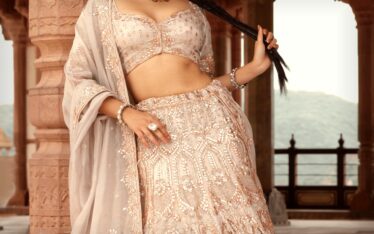
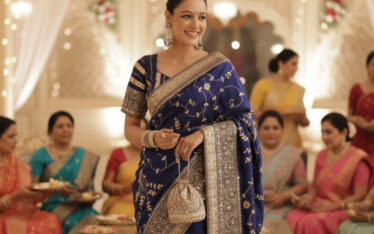
A Banarasi silk saree is more than a garment — it is a legacy woven in gold. For centuries, the handlooms of Varanasi have produced some of the finest silk textiles in the world, and a Banarasi saree remains an essential part of every Indian woman’s wardrobe. Whether you are buying your first Banarasi for a wedding or adding to your collection, this guide will help you understand the fabrics, weaves, and embroidery that distinguish an authentic Banarasi from the rest.
What Makes a Banarasi Saree Special?
Banarasi sarees are handwoven in Varanasi (formerly Benares) using fine silk threads and real gold or silver zari. The weaving process can take anywhere from 15 days to 6 months depending on the complexity of the design. The characteristic features include intricate brocade patterns, heavy pallu (end piece), and a distinctive lustre that comes from the interplay of silk and metallic zari threads.
Types of Banarasi Silk
Pure Katan Silk
The finest and most traditional Banarasi fabric. Katan is a plain weave of pure silk threads, known for its incredible softness, natural sheen, and durability. It is the foundation of the most prestigious Banarasi sarees and is often used for bridal wear due to its luxurious drape and ability to hold elaborate designs.
Banarasi Tissue
Tissue fabric has metallic zari threads woven directly into the silk base, creating an inherent shimmer that glows from within. When additional hand embroidery like Zardosi or Gota Patti is applied, the effect is breathtaking. Our Beige Zari Tissue Saree, Golden Yellow Zari Tissue Saree, and Rose Gold Banarasi Tissue Saree showcase the mesmerising quality of this fabric.
Banarasi Georgette
Lighter than pure silk, Banarasi Georgette offers a flowing drape while maintaining the signature Banarasi brocade patterns. It is often used for dupattas paired with bridal lehengas. Our Maroon Raw Silk Bridal Lehenga features a stunning Banarasi Georgette dupatta.
Embroidery on Banarasi Sarees
While traditional Banarasi sarees rely on woven patterns, modern luxury Banarasi sarees combine weaving with hand embroidery for maximum impact:
Tamba Gota on Banarasi Silk
Copper-toned Gota work on Banarasi silk creates a warm, vintage aesthetic that has become increasingly popular for weddings and receptions. Our Navy Blue Banarasi Silk Saree with Tamba Gota is a perfect example — the deep navy base contrasted with warm copper embroidery creates a dramatic, sophisticated look.
Zardosi on Banarasi Tissue
When Zardosi metalwork is applied to Banarasi tissue, the result is a saree with unparalleled depth and shine. Each layer — the woven zari in the fabric, the hand-applied Zardosi threads, and the Cutdana crystals — adds another dimension of sparkle. Explore our Beige Zari Tissue Saree and Golden Yellow Zari Tissue Saree to see this combination.
Chikankari on Georgette
For brides and wedding guests who prefer a lighter, more contemporary look, Chikankari embroidery on georgette creates an elegant, understated aesthetic. When combined with Zardosi accents, it bridges traditional and modern beautifully. Our Pink Georgette Chikankari Saree and Yellow Georgette Chikankari Saree showcase this style.
How to Identify an Authentic Banarasi Saree
- Weight: A real Banarasi with zari work will have noticeable weight due to the metallic threads.
- Reverse side: On an authentic handwoven Banarasi, the reverse shows loose thread ends and a slightly uneven texture. Machine-made versions are identical on both sides.
- Zari test: Real zari has a reddish tint when burned. It does not melt like synthetic threads.
- Silk mark: Look for the Silk Mark certification from the Central Silk Board of India.
- Price: A genuine handwoven Banarasi silk saree with real zari will typically cost upwards of ₹15,000. If the price seems too low, it is likely machine-made or uses synthetic zari.
Choosing a Banarasi Saree for Different Occasions
- Wedding ceremony: Heavy Banarasi silk with Zardosi and Tamba Gota — Navy Blue Banarasi Silk Saree
- Reception: Banarasi tissue with Zardosi and Cutdana — Rose Gold Banarasi Tissue Saree
- Festive gatherings: Georgette Chikankari with Zardosi accents — Pink Chikankari Saree
- Haldi ceremony: Yellow or golden Banarasi — Yellow Chikankari Saree
Caring for Your Banarasi Saree
A Banarasi saree is an investment that can last generations with proper care. Always dry clean with a specialist. Store wrapped in soft muslin — never in plastic. Refold periodically to prevent permanent crease marks on the zari. Keep away from direct sunlight which can fade the silk.
Explore our full collection of luxury hand embroidered wedding sarees — each one handcrafted in Jaipur with authentic Zardosi, Tamba Gota, and Chikankari work.