Why Maroon Silk is the Ultimate Bridal Heirloom
For centuries, the color red has been the heartbeat of the Indian wedding. It is more than just a pigment; it is a symbol of Suhaag, a representation of the rising sun, and a visceral emblem of prosperity. However, as we navigate the high-fashion landscape of 2026, the modern bride is shifting her gaze. She is no longer looking for just “a red dress”—she is seeking a narrative.
Today’s bridal fashion is witnessing a “Red Renaissance,” where the focus has moved toward deep, soulful hues like Reddish Maroon and the structural integrity of ancient silhouettes like the Kalidar. To choose a lehenga in this era is to understand the craft behind the cloth.
The Architecture of the ‘Kali’
When selecting a bridal lehenga, the “cut” determines your presence. While circular skirts offer a simple drape, the Kalidar (paneled) construction is a feat of textile engineering.
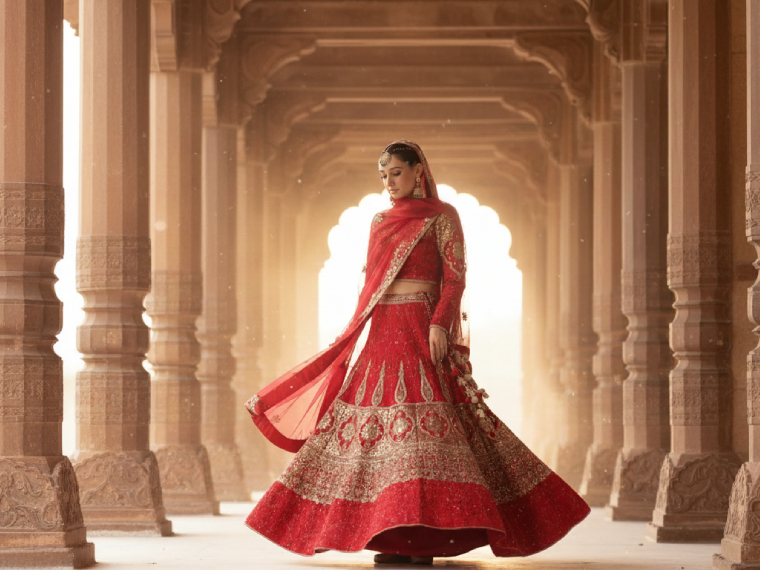
A Kalidar lehenga is composed of several vertical trapezoidal panels (Kalis) stitched together. This technique is favored by couturiers for its ability to create a cinched, narrow waist that gradually erupts into a massive, regal circumference at the floor. Because the panels are vertical, they draw the eye upward, creating an illusion of height and a rhythmic sway that single-cut fabrics cannot replicate.
Fabric Science: The Majesty of Pure Silk
In an era of synthetic blends, the return to Pure Silk is a movement toward sustainability and luxury. Silk is a protein fiber, meaning it absorbs deep dyes—like rich maroons—with a luster that appears three-dimensional.
For a wedding that spans several hours, silk offers essential thermoregulation, keeping you cool during the fire rituals and warm during late-night receptions. Furthermore, heavy hand-embroidery requires a sturdy base; silk provides the tensile strength to hold thousands of beads without sagging.
Decoding the Craft: Zardosi, Resham, and Cutdana
To truly appreciate a luxury lehenga, one must look closely at the “Triple-Threat” of Indian embroidery:
- Zardosi (The Metallic Soul): Originally using real gold and silver threads, Zardosi is the art of sewing metallic wires onto fabric. It provides the antique weight that distinguishes a bridal piece.
- Resham (The Painterly Touch): Using fine silk threads, Resham embroidery allows for intricate floral storytelling, adding a soft, human touch to the metallic intensity.
- Cutdana (The Modern Sparkle): These are glass beads cut at precise angles to reflect light. In the age of high-definition cinematography, Cutdana ensures the bride shines in any lighting.
A Recommendation for Your Trousseau
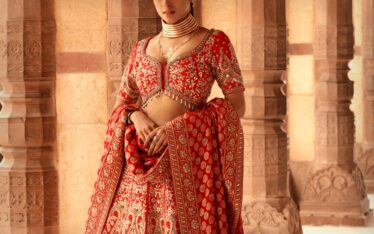
If you are looking for an ensemble that perfectly encapsulates this blend of traditional Kalidar architecture and luxury embroidery, a stunning example is the Reddish Maroon Silk Kalidar Bridal Lehenga (SKU: ff10028).
This piece is a textbook study in heritage fashion, featuring a rich silk base adorned with a harmonious blend of Resham, Cutdana, and Zardosi. It is the perfect choice for the bride who seeks a look that remains timeless for generations.
Styling the Sophisticated Bride
The beauty of a deep Reddish Maroon palette is its versatility. Unlike bright oranges, maroon acts as a “regal neutral.”
For jewelry, while gold is the standard, Polki (uncut diamonds) with emerald drops creates a striking contrast against maroon—a classic aesthetic that never fails to look expensive. When it comes to the veil, opt for a “Light as Air” secondary dupatta in sheer organza to allow the craftsmanship of the choli to show through.
Conclusion: A wedding dress is an emotional purchase. By choosing deep tones and hand-crafted techniques like Kalidar tailoring, you aren’t just buying a dress—you are preserving an art form. Fashion fades, but the dignity of silk and the shimmer of Zardosi are eternal.